
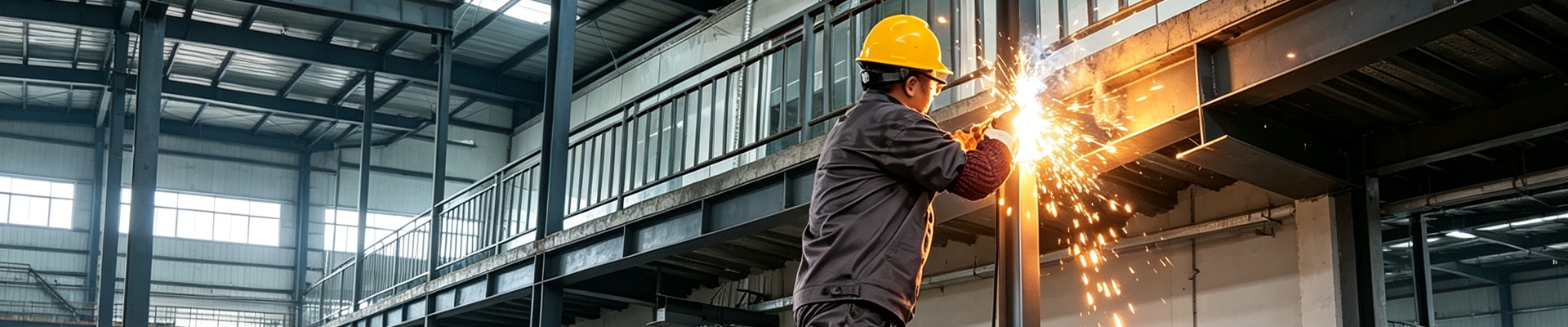
When goods need to move between floors, workers may wonder if they can ride along on a hydraulic cargo lift. The answer is no. Hydraulic cargo lifts are designed to carry goods, not people. Operators and other workers must not ride on the platform, even if it has a high rated load, a spacious platform, or an enclosed structure.
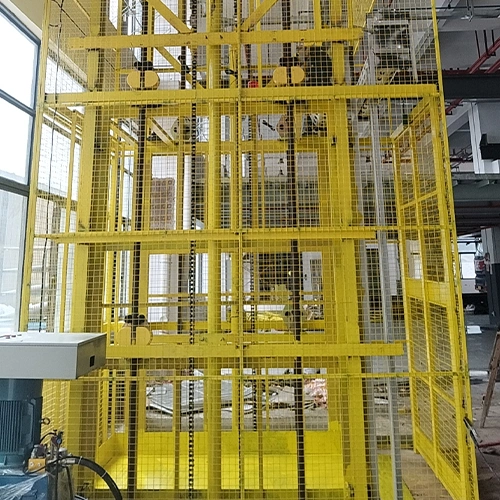
Hydraulic cargo lifts for goods handling
1. Cargo Lifts and Elevators: Uses and Riders
A hydraulic cargo lift uses hydraulic power to move goods between floors, often in factories and warehouses. Workers load and unload goods at the landings; they do not ride on the platform. The table below compares equipment names that buyers may encounter.
| Equipment | Intended use | Who may ride? |
|---|---|---|
| Cargo Lift | Moves goods between floors; the exact equipment type may vary | No one may ride on a goods-only lift. Check the equipment documents for its formal classification and permitted use. |
| Hydraulic Cargo Lift | Uses hydraulic power to move goods between floors | No one. |
| Freight Elevator | An elevator used primarily to carry freight | In some regulatory systems, only the operator and people needed to load or unload freight may ride. |
| Passenger Elevator / Service Elevator | Carries people; some passenger elevators also carry goods | Passengers may ride according to the elevator’s approved use. |
The freight and passenger elevator descriptions are based on the U.S. Access Board’s guide. In this article, cargo lift is a general product name, and hydraulic cargo lift identifies its drive system; they are not two parallel equipment categories. If a product is sold as a “cargo lift” or “freight lift,” check its formal classification and permitted use rather than relying on the sales name.
2. Why Can’t People Ride a Hydraulic Cargo Lift?
Design Purpose
Passenger elevators are designed and approved for people to enter, ride, and exit safely, including protection if something goes wrong during the trip. A hydraulic cargo lift serves a different task: it moves goods between floors while workers load and unload them at the landings. Its rated load tells you how much weight it can carry. It does not show that the requirements for carrying people have been met or that anyone is allowed to ride.
Passenger Protection
A hydraulic cargo lift has not been designed and approved for people to ride on its platform. It may have enclosures, landing doors, and interlocks to protect workers during goods handling, but those features do not establish that it meets passenger protection requirements. Depending on the lift’s layout, a rider could fall, be caught between the platform and nearby structures, or become trapped if the lift stops between floors.
Safety Requirements
Safety rules distinguish between equipment used to lift goods and equipment intended to lift people. For example, the UK Health and Safety Executive says equipment used to lift people should be marked with the number of people it can carry as well as its safe working load. Equipment not designed to lift people, but liable to be used that way by mistake, must be clearly marked to say it must not lift people. In the United States, the Access Board’s guide describes passenger elevator requirements covering matters such as door operation, floor leveling, and emergency communication.
An enclosed platform, an elevator-like appearance, or an added component does not establish permission to carry people. Check the hydraulic cargo lift’s documents and the requirements at its installation location to confirm its permitted use.
3. What If Workers Need to Reach the Same Floor as the Goods?
Move Goods and People Separately
Move the goods with the hydraulic cargo lift. Workers should take the stairs or use equipment approved to carry people to reach the destination floor. Once the lift has stopped at the landing, they can unload it according to its operating instructions.
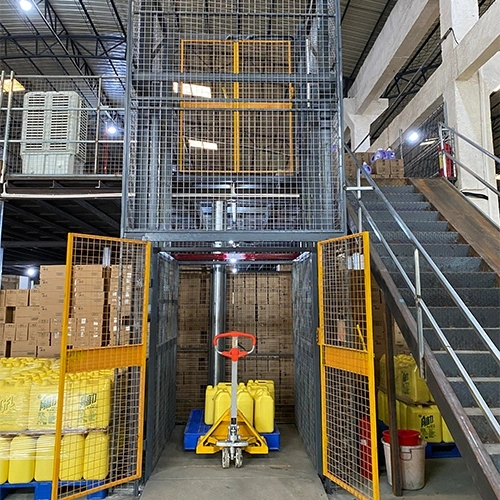
If the load needs to be held steady during travel, review how it is loaded and secured before starting the lift. Do not send a worker along on the platform to steady the load.
Choose Equipment Approved to Carry People
If someone must travel with the goods, tell the elevator supplier before purchasing. Explain who needs to ride, what goods will be carried, and how often this will happen. This calls for an elevator approved to carry those people, rather than a goods-only cargo lift. Where local rules permit, a freight elevator may allow the operator and people needed to load or unload the goods to ride. For regular travel between floors or general passenger use, consider a passenger or service elevator approved for that purpose.
Conclusion
Hydraulic cargo lifts carry goods, not passengers. If workers need to travel with the goods, state that requirement when selecting equipment and choose an elevator approved for those riders.
Discuss Your Cargo Lift Requirements
Planning to move goods between floors? Contact us with the load’s weight and dimensions, the floor-to-floor height, your loading method, and the installation location. We can recommend a hydraulic cargo lift for the goods. If a worker must travel with the load, include that detail in your inquiry so the need for a passenger-carrying elevator can be assessed separately.
FAQs About Riding Cargo Lifts
Can an operator ride with the goods?
No. A hydraulic cargo lift carries goods only. Operators and other workers must stay off the platform while it moves and use stairs or equipment approved to carry people to reach the other floor.
Does an enclosed hydraulic cargo lift allow people to ride?
No. An enclosure does not change the lift’s permitted use. Even if the platform is enclosed, people must not ride on a hydraulic cargo lift.