
A dock leveler bridges the height difference between a loading dock and a vehicle bed. For a buyer, the useful next step is understanding what each “type” label describes and how that label affects the loading-dock conversation.
Dock levelers are commonly described in two ways. One group of labels describes the layout at the dock: where the leveler is mounted and how it is stored. The other describes the drive system that positions the deck. Reading both together gives a clearer picture of the equipment and the project it will serve.
At Weilin Qinli, we start with the loading flow. The dock, vehicles, goods, handling equipment, and available space show which layout and drive-system questions matter first.
Start With Two Design Questions: Layout and Drive System
The first question is about layout. Where will the leveler connect to the dock? Will it sit at the dock face, within a dock structure, or in a recessed pit? How will the deck be stored when the position is not in use? Terms such as edge-of-dock, fixed, pit-mounted, horizontal-storing, and vertical-storing help describe this part of the design.
The second question is about the drive system. How will the deck move into its working position? Hydraulic, mechanical, and air-powered are common drive-system descriptions.
These questions work together. A quotation may describe one leveler as hydraulic and another as vertical-storing. Those descriptions are not alternatives. Hydraulic identifies the drive system. Vertical-storing identifies the storage arrangement. A buyer gets a more useful comparison by recording both labels beside the actual dock conditions.
Common Layouts at the Loading Dock
Edge-of-Dock Levelers
An edge-of-dock leveler is mounted at the face of the loading dock. This layout brings the leveler directly to the point where the dock meets the vehicle, so the existing dock edge and vehicle interface become the first items to review.
For an edge-of-dock discussion, start with clear photos of the dock face, the usual truck or trailer types, and the equipment that moves goods across the transition. Those details help define the working relationship between the dock, the vehicle, and the leveler.
Where the loading point itself must remain mobile rather than fixed at the dock face, Mobile Loading Ramps create a separate comparison path.
Fixed Dock Levelers
A fixed dock leveler is attached to the dock structure. It is often discussed together with its storage arrangement because the stored position affects how the dock opening and loading area are planned.
Horizontal-storing and vertical-storing are two terms buyers may see within this category. The important comparison is not the name alone. It is how the stored deck, dock opening, vehicle approach, and loading process fit into the same working area.
Pit-Mounted and Vertical-Storing Designs
A pit-mounted dock leveler sits in a recessed location at the dock. This arrangement keeps the deck within the dock structure when it is stored and brings the deck into position for vehicle loading.
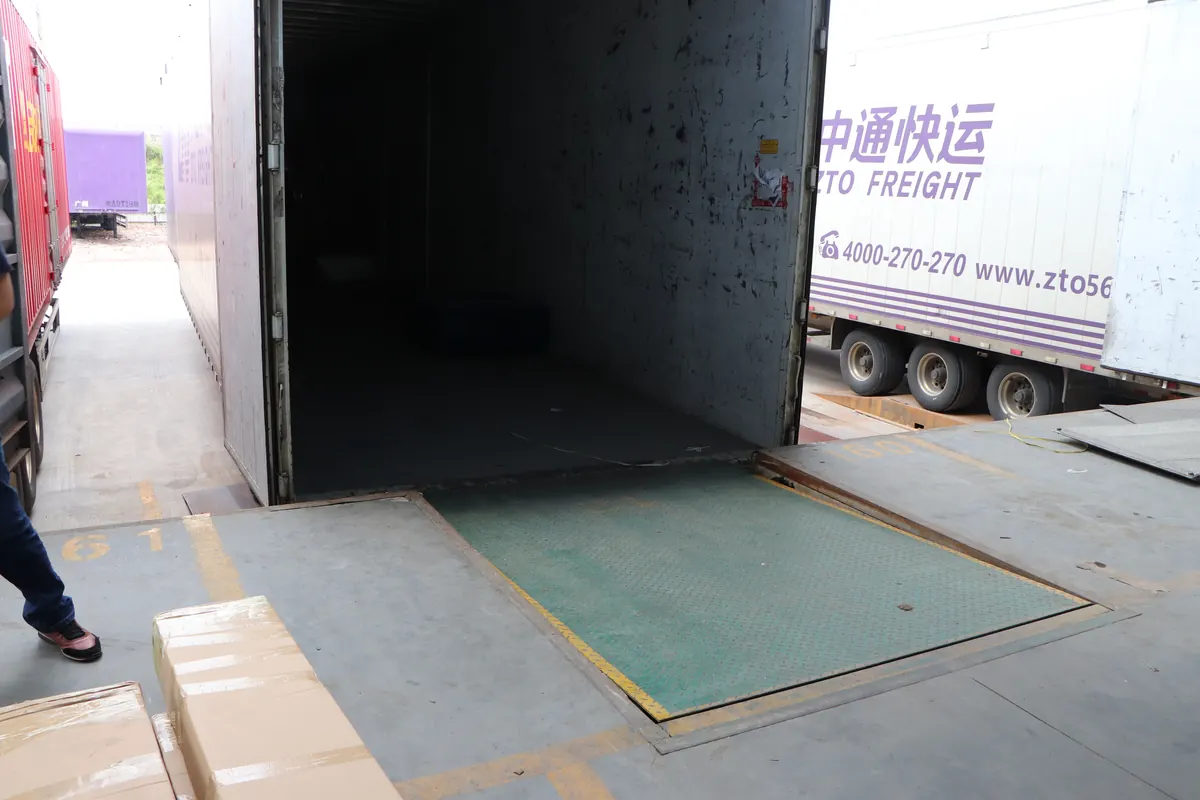
Vertical-storing describes a leveler that is raised into a vertical stored position. It is a storage design, so it should be discussed together with the dock layout and the way the loading position is used between vehicle movements.
Weilin Qinli’s Dock Leveler is a stationary hydraulic option for fixed, recessed-pit loading docks. Where a project requires a different arrangement around the dock opening, platform, or loading flow, a Custom Dock Leveler discussion can begin with the site conditions and the intended use.
For a broader project-planning discussion, Customization connects those site conditions with the intended loading flow.
Common Drive Systems
The drive system moves the deck into its working position. It is best compared after the layout is clear, because the drive system becomes part of the wider dock, vehicle, and operating-flow decision.
Hydraulic Dock Levelers
Hydraulic dock levelers use a hydraulic system to raise and position the deck. They bring powered movement into the loading-dock arrangement and are commonly specified as part of a stationary dock-leveler solution.
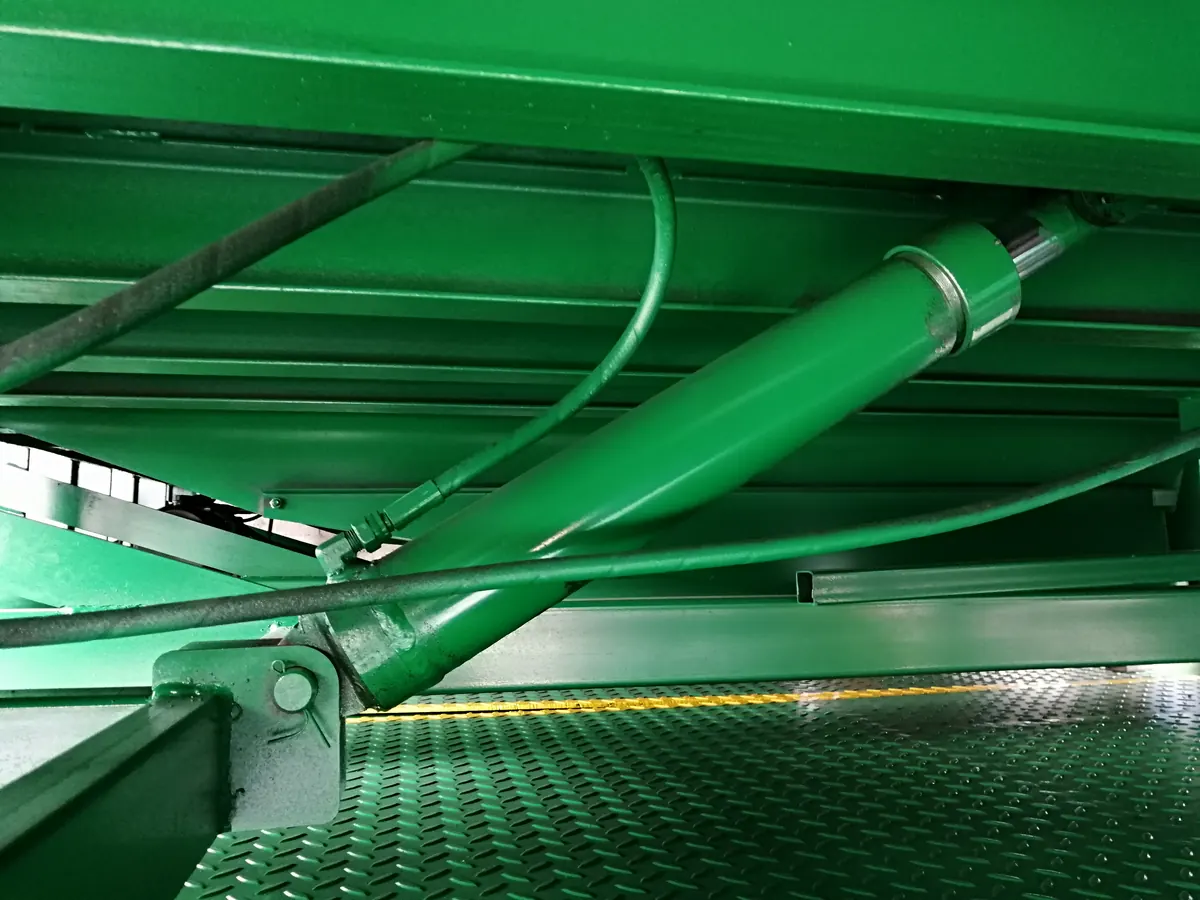
When comparing a hydraulic design, look at the dock layout, the vehicle interface, the loading pattern, and the available project services. These inputs help the project team match the drive system to the rest of the dock arrangement.
Mechanical Dock Levelers
Mechanical dock levelers use a spring-and-linkage arrangement to position the deck. This makes the operating movement and the equipment components important parts of the comparison.
For this type of design, describe how the dock is used during a normal loading cycle. Include the goods being moved, the handling equipment, and the working sequence at the door. This gives the supplier a practical basis for discussing the operating arrangement.
Air-Powered Dock Levelers
Air-powered dock levelers use an air-based lifting arrangement to position the deck. They add another drive-system option to the same layout questions: dock structure, vehicle interface, cargo movement, and operating flow.
If an air-powered design is being considered, include available air-service information with the project details. This allows the drive-system discussion to stay connected to the actual site instead of becoming a list of product labels.
How to Compare Designs for Your Dock
Start with the flow of goods through the dock. A useful comparison brings together the following information:
- **Dock layout and available space.** Share photos or drawings that show the dock face, floor area, opening, nearby equipment, and access route.
- **Vehicle interface.** List the vehicle or container types that arrive most often and show the point where each vehicle meets the dock.
- **Cargo and handling method.** Describe the goods, pallets, carts, or other loads that cross the dock, along with the handling equipment used.
- **Operating pattern.** Explain when loading takes place, whether the work is repeated or variable, and how the dock supports the rest of the facility.
- **Project services and constraints.** Identify renovation limits and the electrical or air-service information that may affect the proposed drive system.
This approach gives each design label a job. Layout terms explain how the leveler belongs at the dock. Drive-system terms explain how its deck is positioned. The project information shows how those two choices support the loading flow.
What to Send Before Requesting a Quote
Send a short project package instead of only a product name. Include dock photos, a simple drawing where available, the usual vehicle and cargo information, the material-handling flow, and known site restrictions. If an equipment schedule or building drawing already exists, share the relevant pages with the dock information.
When the equipment choice must also be coordinated with installation, commissioning, or after-sales planning, Service provides the next discussion point.
With that information, Weilin Qinli can turn a broad question about dock leveler types into a focused conversation about layout, drive system, and project configuration. The goal is to identify the right questions early and move the project toward a workable loading-dock arrangement.
Choose the Classification First, Then Discuss the Configuration
Start by separating the layout or storage description from the drive-system description. Then compare those labels against the dock, vehicles, cargo flow, and available services. This gives the project team a practical starting point for discussing a dock leveler that fits the way goods move through the facility.
For a project-specific discussion, share those details and request a project-specific consultation or quotation.