
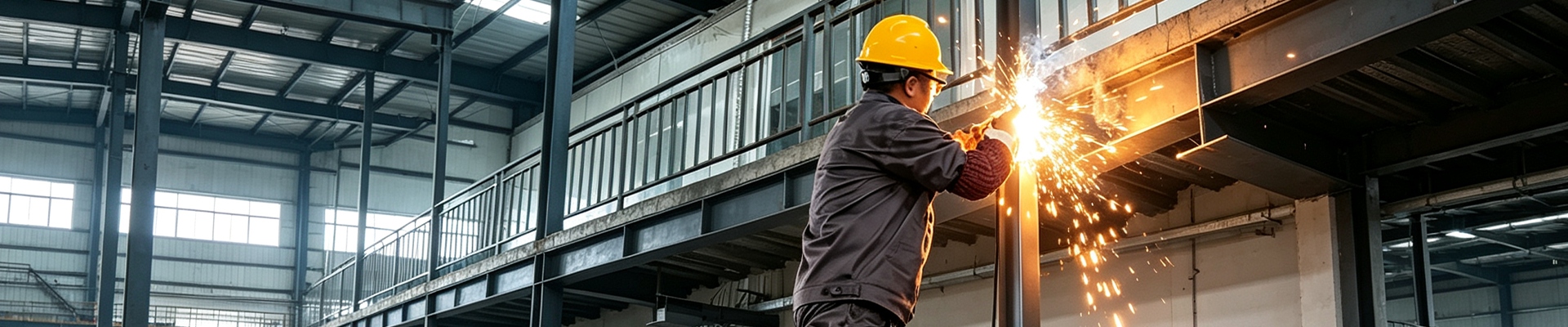
A dock leveler is loading-dock equipment that connects a warehouse dock floor with the bed of a truck or trailer. It is used at the point where freight moves between a building and a docked vehicle. The warehouse floor is fixed, while the vehicle side is separate from the building, so the loading position needs equipment that can create a working connection between the two.
This article explains what that equipment is, where it fits at a loading dock, and how it supports the movement of goods during loading and unloading. It also clarifies the location terms that make product information easier to understand and shows how a basic definition becomes relevant to a real dock project.
What Is a Dock Leveler?
A dock leveler is a transition device at a loading dock. Its role is to bridge the route from the fixed floor of a facility to the bed of a truck or trailer at the dock door. By creating that route, it links the warehouse side of a freight transfer with the vehicle side.
The term refers to one item of dock equipment, not to the whole loading area. A loading dock can include the building structure, a dock door, the vehicle position, and the space where goods are transferred. The dock leveler has a specific place within that setting: it serves the building-to-vehicle connection.
Weilin Qinli manufactures hydraulic lifting and material-handling equipment. For background on the manufacturer, learn about Weilin Qinli.
For a buyer, this distinction helps separate a dock-leveler question from a general warehouse-floor or lifting-equipment question. The relevant issue is the transfer point at the dock, where goods need to pass between the facility and a transport vehicle.
Where Does a Dock Leveler Fit at the Loading Dock?
The physical relationship is straightforward. On the building side is the warehouse dock floor. On the vehicle side is the truck or trailer bed. The dock leveler sits at the dock edge between those two surfaces.
Think of the loading position as a three-part sequence:
- Warehouse dock floor — the fixed floor inside the building at the dock door.
- Dock leveler — the equipment at the transition point.
- Truck or trailer bed — the vehicle-side surface where freight is received or dispatched.
This sequence explains why a dock leveler belongs at a loading position rather than elsewhere in a facility. It is associated with the point where the building ends and the vehicle begins. A side-view image can later make this relationship immediately visible by labeling these three surfaces in order; it does not need to show dimensions, components, or operating instructions.
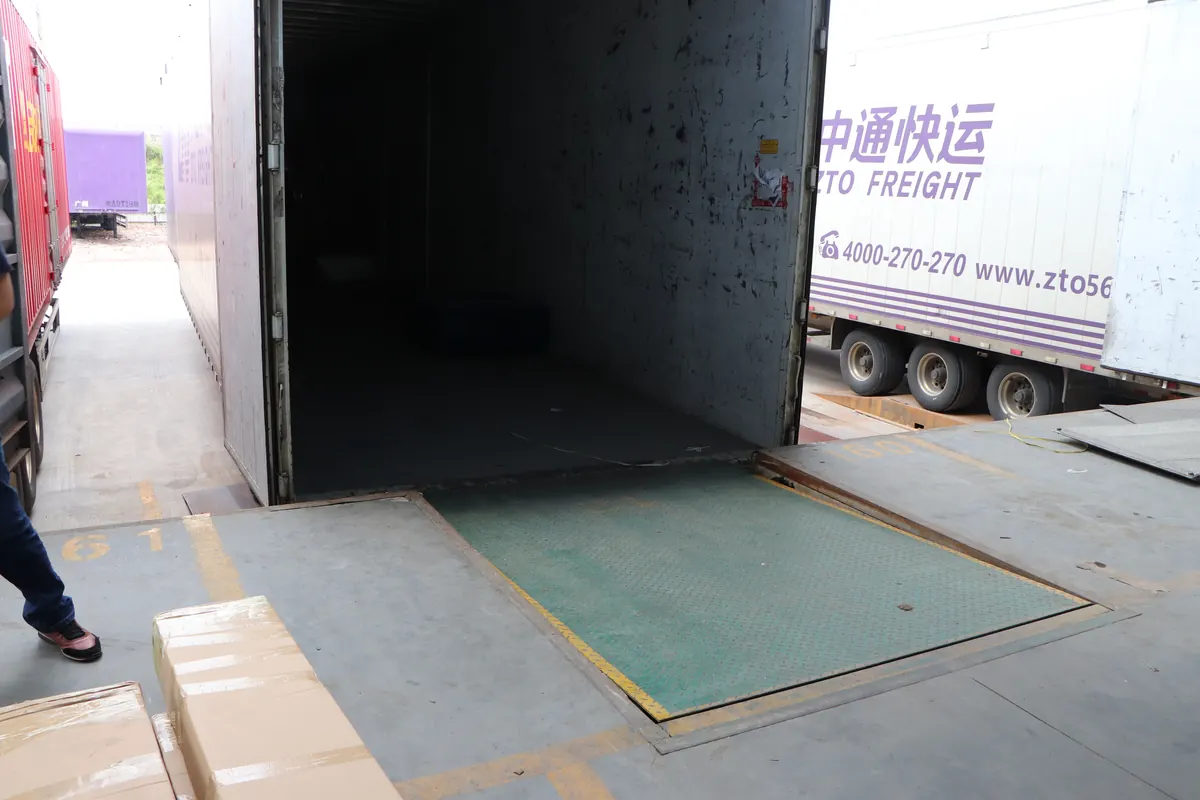
A dock leveler bridges the loading position from the warehouse dock floor to the truck or trailer bed. Explore dock leveler options.
How Is a Dock Leveler Used During Loading and Unloading?
When a truck or trailer is positioned at a loading dock, the dock leveler provides the connection from the warehouse dock floor to the vehicle bed. During receiving or dispatch, material-handling equipment can use that connection as goods move from the facility into the vehicle or from the vehicle into the facility.
In other words, the equipment makes the dock door part of the freight-transfer route. Without treating the building side and vehicle side as unrelated surfaces, the loading position can function as a single path for the transfer task. This is the practical meaning of its use at a loading dock.
For a team mapping material flow, that path begins on the building side, crosses the loading position, and continues into the vehicle. The dock leveler is relevant because it addresses this exact handoff point, rather than a storage area or another part of the warehouse. That focus explains why the same equipment category appears in both receiving and shipping conversations.
When a project needs to explore a product tailored to a particular loading position, review custom dock leveler options.
The explanation is deliberately about function, not procedure. It does not tell an operator how to position, operate, inspect, or maintain equipment. It explains why a dock leveler is discussed when a warehouse, distribution center, manufacturing site, or logistics operation needs to move freight through a dock door and across the building-to-vehicle boundary.
Three Terms That Help Explain the Loading Position
Loading dock is the area where a facility receives or dispatches goods through dock doors. It is the wider setting for the building, vehicle, and freight-transfer activity. A dock leveler is one item of equipment used at that location.
Dock floor is the fixed building-side floor at the loading position. Goods approach the dock door from this surface before moving toward the vehicle. The term makes clear which side of the connection belongs to the facility.
Truck or trailer bed is the vehicle-side freight surface at the loading position. It is the surface from which goods are received or to which goods are dispatched. Together with the dock floor, it defines the two ends that the dock leveler connects.
These three terms are enough to read the basic spatial relationship: a building-side floor, a vehicle-side bed, and dock equipment between them.
Learn More About Dock Leveler Options
Understanding the building-side floor, dock leveler, and vehicle-side bed as one loading path is the starting point for a dock project. Explore Weilin Qinli dock leveler options for your loading dock project.
Frequently Asked Questions
Is a dock leveler the same as a loading dock?
No. A loading dock is the wider area where a building, dock door, vehicle, and freight-transfer activity come together. A dock leveler is one piece of equipment at that location. Its role is focused on the connection between the building-side dock floor and the vehicle-side bed.
Does a dock leveler replace the warehouse floor or the trailer bed?
No. The warehouse dock floor remains the building-side surface, and the truck or trailer bed remains the vehicle-side surface. The dock leveler provides the transition between them at the loading position so they can function as part of one freight-transfer route.
What should a buyer understand before looking at product options?
Start by identifying the loading position where freight moves between the building and a vehicle. Knowing the dock door, the vehicles served there, and the material-handling route gives product conversations the right operating context without turning a basic definition into a product-selection decision.