
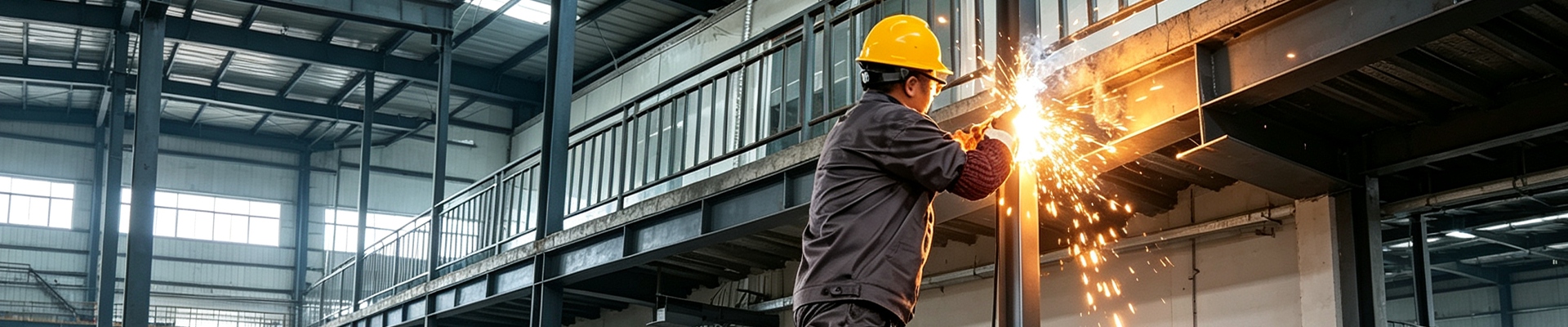
Moving heavy goods between floors is a daily challenge in warehouses, factories, workshops, and distribution centers. A hydraulic cargo lift provides a practical way to transport materials vertically without relying on manual handling or forklift traffic on ramps.
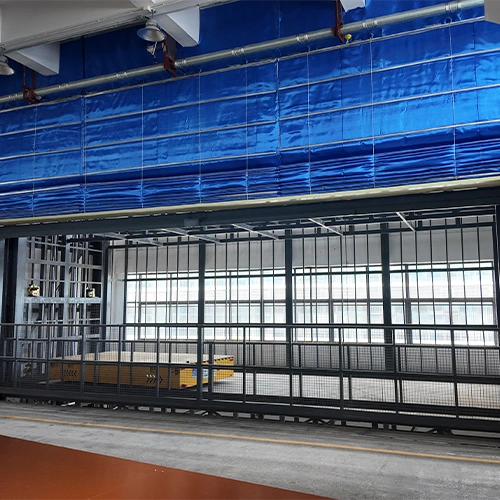
Hydraulic Cargo Lift for Warehouses and Factories
What Is a Hydraulic Cargo Lift?
A hydraulic cargo lift is a material-handling platform powered by a hydraulic cylinder and pump. The system raises and lowers pallets, machinery, raw materials, finished goods, or other heavy loads between two or more levels.
Unlike a passenger elevator, a standard cargo lift is designed primarily for goods rather than people. Its platform size, load capacity, lifting height, gate design, and control system can be customized according to the building and workflow.
A hydraulic cargo lift may also be called a cargo lift, cargo elevator, freight lift, or warehouse lift. However, the correct product depends on the intended use, local safety requirements, and whether passengers are permitted.
How Does a Hydraulic Cargo Lift Work?
The operating process is relatively simple:
- A hydraulic pump sends fluid into the cylinder.
- Hydraulic pressure pushes the cylinder and raises the platform.
- When the control valve releases fluid, the platform lowers in a controlled manner.
- Guide rails, safety gates, locking devices, and limit switches keep the movement stable and secure.
The system can be installed indoors or outdoors. Depending on site conditions, it may use a shallow pit, a surface-mounted frame, or a customized base. This flexibility makes hydraulic lifting equipment suitable for existing buildings where a conventional elevator shaft is impractical.
Main Types of Hydraulic Cargo Lifts
Guide-Rail Hydraulic Cargo Lift
This type uses vertical guide rails to control platform movement. It is suitable for factories, warehouses, mezzanines, and multi-level production areas. It offers good stability and can be designed for large platforms and high capacities.
Scissor Cargo Lift
A scissor mechanism supports the platform as it rises. Scissor lifts are useful where the lifting height is moderate and the installation space is limited. They are often used for loading, unloading, and floor-level transfer.
Enclosed Cargo Lift
An enclosed or caged cargo lift includes protective panels around the platform. It is suitable for outdoor installation, dusty environments, or sites where goods need additional protection during transport.
Surface-Mounted or Pit-Mounted Lift
A pit-mounted model provides a more level loading surface but requires suitable civil work. A surface-mounted model can reduce construction requirements and may be a better choice for retrofitting an existing warehouse or workshop.
Where Are Hydraulic Cargo Lifts Used?
Warehouses and Logistics Centers
A warehouse lift can move pallets, cartons, racks, and packaged products between ground floors, mezzanines, and storage platforms. It helps separate pedestrian movement from forklift operations and improves the use of vertical space.
Manufacturing Plants
Factories use cargo lifts to transfer raw materials, components, tools, and finished products between production levels. A customized platform can be designed around conveyor lines, workstations, or machinery.
Loading and Unloading Areas
A hydraulic cargo lift can bridge height differences between loading docks, trucks, platforms, and storage areas. It is especially useful when a site lacks a permanent dock or when vehicle heights vary.
Retail, Workshops, and Commercial Buildings
Automotive workshops, furniture stores, equipment rooms, and commercial buildings may use cargo elevators to move heavy items that cannot be safely carried on stairs.
Hydraulic Cargo Lift vs. Other Material-Handling Options
| Solution | Main advantage | Main limitation |
|---|---|---|
| Hydraulic cargo lift | Stable vertical movement and flexible customization | Requires proper installation and safety controls |
| Freight elevator | Suitable for enclosed multi-floor transport | Usually involves higher construction and compliance requirements |
| Scissor lift | Compact and effective for short lifting distances | Often less suitable for high-rise applications |
| Forklift ramp | Flexible for ground-level movement | Requires more floor space and creates traffic risks |
| Manual handling | Low equipment cost | Slow, labor-intensive, and increases injury risk |
The best choice depends on lifting height, load frequency, available space, building structure, and local regulations—not simply the purchase price.
Safety Considerations
Safety should be designed into the system from the beginning. According to OSHA requirements for material hoists and elevators, rated load and speed should be clearly posted, gates or bars should protect loading areas, and appropriate safety devices should prevent uncontrolled movement.
A material-only cargo lift should not carry passengers unless it has been specifically designed, certified, and approved for that purpose. Operators should also receive clear instructions for loading, unloading, emergency stops, and routine inspections.
The need for mechanical lifting is also supported by workplace safety data. OSHA notes that lifting loads heavier than approximately 50 pounds can increase the risk of injury, depending on the task and working conditions. In addition, the U.S. Bureau of Labor Statistics reported 1,391 fatal work injuries in transportation and material-moving occupations in 2024, highlighting the importance of safer material-handling processes.
Common Mistakes to Avoid
Choosing Capacity Without Considering Load Distribution
A lift rated for a specific weight may still be unsafe if the load is concentrated on one side. Buyers should provide the maximum load, pallet dimensions, center of gravity, and loading method.
Treating a Cargo Lift Like a Passenger Elevator
Cargo lifts are designed around goods, not passenger comfort. Door design, platform strength, speed, guarding, and control systems may be different from those used in passenger elevators.
Ignoring Site Conditions
Available headroom, pit depth, floor strength, power supply, drainage, outdoor exposure, and access for installation can all affect the final design.
Focusing Only on Initial Price
A lower quotation may exclude installation, safety gates, commissioning, maintenance, or after-sales support. The total project cost should include the complete system and its operating requirements.
How to Select the Right Hydraulic Cargo Lift
Before requesting a quotation, prepare the following information:
- Maximum load and average load
- Platform length and width
- Lifting height and number of stops
- Indoor or outdoor installation
- Type of goods and loading equipment
- Required lifting frequency
- Available pit, headroom, and floor space
- Local power supply and safety requirements
For irregular buildings or specialized production lines, a customized hydraulic cargo lift is often more effective than a standard model. A professional supplier should be able to review the site, recommend a suitable structure, and provide drawings before production.
Conclusion: Choosing the Right Hydraulic Cargo Lift
A hydraulic cargo lift is a practical solution for moving heavy materials safely and efficiently between levels in warehouses, factories, workshops, and loading areas. Its main value is not simply lifting capacity. The right system should match the building structure, goods, workflow, installation conditions, and applicable safety standards.
For a suitable recommendation, provide the required load capacity, platform dimensions, lifting height, number of stops, and site conditions. A qualified supplier can then prepare a customized design, installation plan, and quotation.
Frequently Asked Questions
Is a hydraulic cargo lift the same as a freight elevator?
Not always. Both systems transport goods, but their structure, speed, enclosure, safety requirements, and permitted use may differ. The correct choice depends on the building, application, and local regulations.
Does a hydraulic cargo lift need a deep pit?
No. Some models are surface-mounted or use a shallow pit. The required installation method depends on the platform height, building structure, loading method, and site conditions.
What goods can a hydraulic cargo lift transport?
It can transport pallets, machinery, raw materials, cartons, equipment, furniture, and other industrial goods within its rated capacity. Loads must be secured and distributed correctly.
What information is needed for a custom design?
A supplier usually needs the maximum load, platform size, lifting height, number of floors, opening direction, installation location, goods type, loading equipment, and available space.
Request a Custom Hydraulic Cargo Lift Quote
Need a safe and efficient way to move goods between levels? Contact our team with your load capacity, platform dimensions, lifting height, number of stops, and installation conditions.
We can provide a customized hydraulic cargo lift solution, technical recommendation, site assessment, and quotation for your warehouse, factory, or commercial project.